
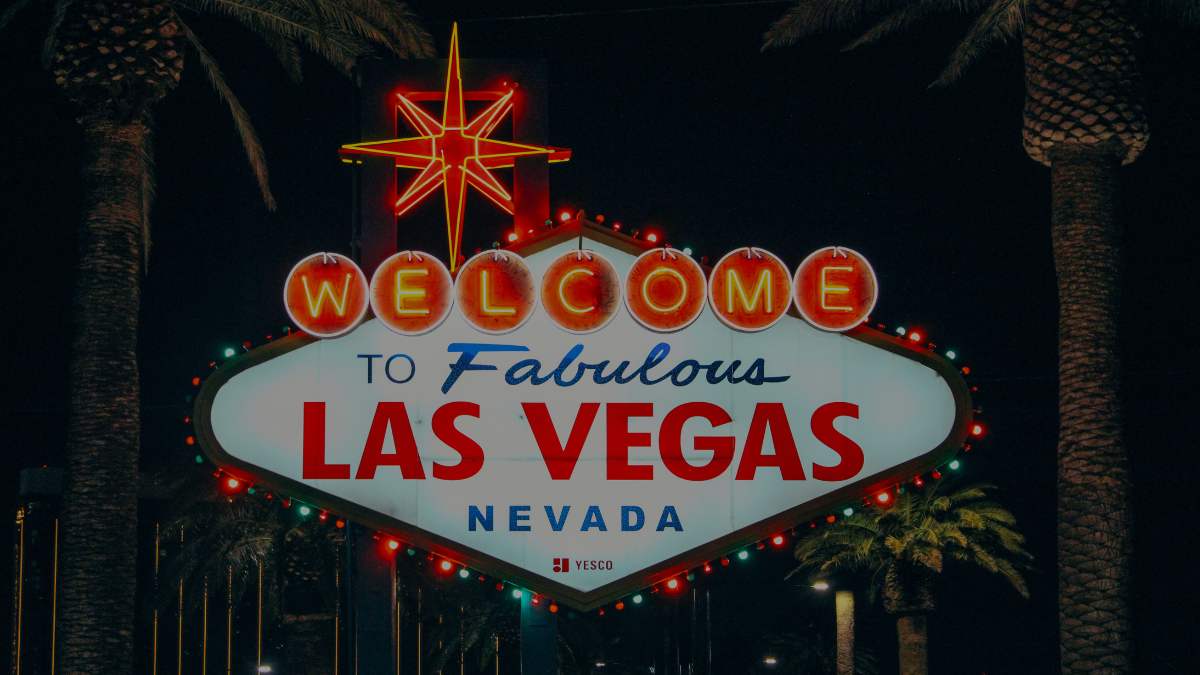
Las Vegas is not a city that does anything quietly. So it was fitting that the International SPA Association chose it as the backdrop for what turned out to be one of the most forward-facing conferences the wellness industry has seen in years.
I was there in a media capacity for Spas of America. I had a press badge, a notebook, and a particular kind of attention that comes from spending years watching the distance between what wellness properties promise and what guests actually feel. ISPA 2026 gave me a lot to look at.
The floor was electric, and it was saying something specific.
The expo wasn’t just showcasing products. It was signalling a philosophical shift. Brand after brand was telling the same story from a different angle: the future of wellness isn’t a treatment. It’s a system. A complete, personalized, measurable ecosystem designed not just to relax a guest for ninety minutes, but to genuinely support how they sleep, recover, age, move, and feel over time.
LOULOU AI introduced a platform called the Wellness Architect, an AI-powered system that builds individualized guest journeys based on preferences, health goals, and lifestyle behaviours. Technogym brought its Biocircuit Longevity system along with AI-supported metabolic analysis tools. Ammortal unveiled something called the Human Optimization Chamber, breathwork, frequency therapy, guided relaxation, and multisensory technology layered into a single immersive recovery experience. The 3H Acupressure Bed brought Korean-inspired thermal and acupressure therapy to the conversation about accessible recovery. Natura Bissé paired luxury skincare with the Iyashi Dôme infrared system. Wildsmith Skin presented its Radical Botany philosophy — copper peptides, regenerative science, and sustainable design.
Every one of these innovations is real. Every one of them is worth understanding. The industry is not playing around.
But here’s what I kept thinking as I walked the floor.
Before a property layers in any of this, before they sign a contract for an AI personalization platform or invest in a longevity chamber, does the existing guest journey actually hold together?
Does a guest walk through the door and feel immediately that someone has thought carefully about this moment? Does the team carry the brand from the booking confirmation through to the final goodbye — or does service quality vary by shift, by therapist, by whoever happens to be at the front desk that day? Does the property have a wellness story that a guest can sense before anyone has said a word about it?
Because here is what I know from the field: technology is a multiplier. When the foundation is strong, clear standards, consistent team language, a guest journey with intentional architecture, innovation amplifies everything. When the foundation has gaps, technology doesn’t close them. It just adds cost and complexity on top of an unresolved problem.
The most important sentence from the conference didn’t come from the expo floor.
The challenge for spas as we advance may not simply be adopting the latest technologies, but integrating them in ways that still feel personal, restorative, and emotionally meaningful.
That sentence is the whole conversation. Integration requires a foundation worth building on. Emotional meaning requires a team that understands what they’re actually delivering. Personal and restorative requires a guest journey designed to feel that way from the very first touchpoint — not just during the treatment itself.
ISPA 2026 was genuinely exciting. The industry is moving with creativity and ambition, and that matters. But the most urgent question for most properties isn’t which innovation to adopt next. It’s whether the experience they’re already delivering justifies the story they’re already telling.
That gap — between promise and reality, between intention and execution — is what I spend my working life paying attention to.
Read the full article on Spas of America → ISPA 2026: The Innovations Redefining Wellness Travel
If this raises questions about where your property stands operationally, I’d welcome the conversation. Let’s connect.